Product and sample review
Will the Production Run Match the Sample? What to Put on a Jewelry Cabinet Purchase Order
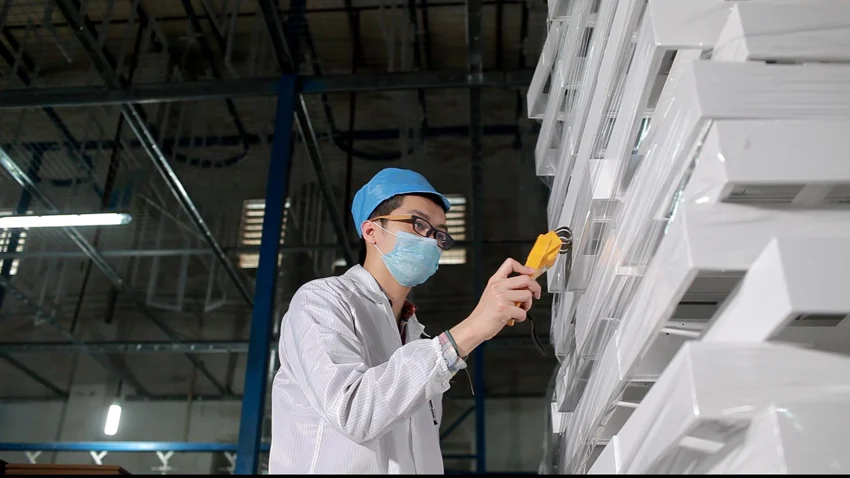
A sample looks right and the door works, so the purchase order goes out with “as per sample” on it. At inspection, the buyer remembers seeing an over-door bracket, but the packing list calls for wall fittings only. The inspector needs a written reference to decide which fittings belong in the carton.
A buyer on Reddit raised a similar question about keeping materials and finishes consistent between the approved sample and the production run. For a jewelry cabinet, tie the purchase order, signed sample and packing list to the same revision. That gives the factory and the inspector something they can check item by item. Buyer discussion on matching production to the sample
Write down what the inspector will actually check
Start with a factory specification sheet that shows the model, date and revision. During the sample review, agree where to measure, what to compare against and which deviations are acceptable. Use a signed sample or finish swatch for appearance. Put fit dimensions and part counts in the specification, and attach the approved sheet to the purchase order.
| Check | Ask the factory for | What to do at sample review |
|---|---|---|
| Mirror | Visible dimensions, edge finish and how the mirror is held in place. Ask for a drawing and measurement points where tolerances matter. | Agree on lighting and viewing distance, then check for chips, scratches and distortion against the approved sample and acceptance criteria. |
| Cabinet finish and lining | Approved color swatch or sample, lining material and color reference, and a drawing of the interior layout. | Compare finish and lining, then load representative jewelry and check whether anything catches as the door closes. |
| Hinges, brackets and screws | Part numbers, photos, quantities, fitting positions and a packing list. | Assemble the cabinet from the instructions. Count what you use and note any missing parts or steps that could cause assembly errors. |
| Packaging and instructions | Photos of the sealed carton and internal protection, plus the carton and instruction revisions. | Check that the sample uses the proposed production pack and that the fittings are easy to identify when unpacking. |
For the W805, ask the factory to specify the conditions and fittings for both mounting methods. In the over-door setup, operate the room door and the cabinet door separately. On the W822, photograph the stand, fasteners and angle adjustment, check that it seats as intended in each of the three positions, then measure the installed footprint. For the W807, record how the rotating base is assembled. Turn the cabinet through a full rotation and check clearance for the cabinet door, rear shelves and drawer. Record the clearance on the actual sample.
Agree on how changes get approved
Keep a signed sample or signed approval record on both sides, with the sample ID, date and photos of the details you checked. Ask the factory to flag temporary fittings or packaging on the showroom sample. Review the affected points again when the production components are ready.
If a hinge changes after production has been scheduled, ask for the reason, the substitute part number and any effect on hole positions, door movement or packing. Review the revised drawing and a demonstration with the actual part. Once the change is approved, update the purchase order and check that the packing list and instructions reflect the new revision.
A purchase order note could read:
Inspect against the agreed model, specification revision, approved sample ID and packing list. For changes affecting appearance, installation, function or packaging, the supplier will submit the differences and verification records for the buyer’s written approval before implementation.